
I was very fortunate to recently visit South Africa and Zimbabwe after a veterinary conference. Since 100% of the pet owners we meet are animal lovers, I thought I would share some information and pictures about his incredible trip.
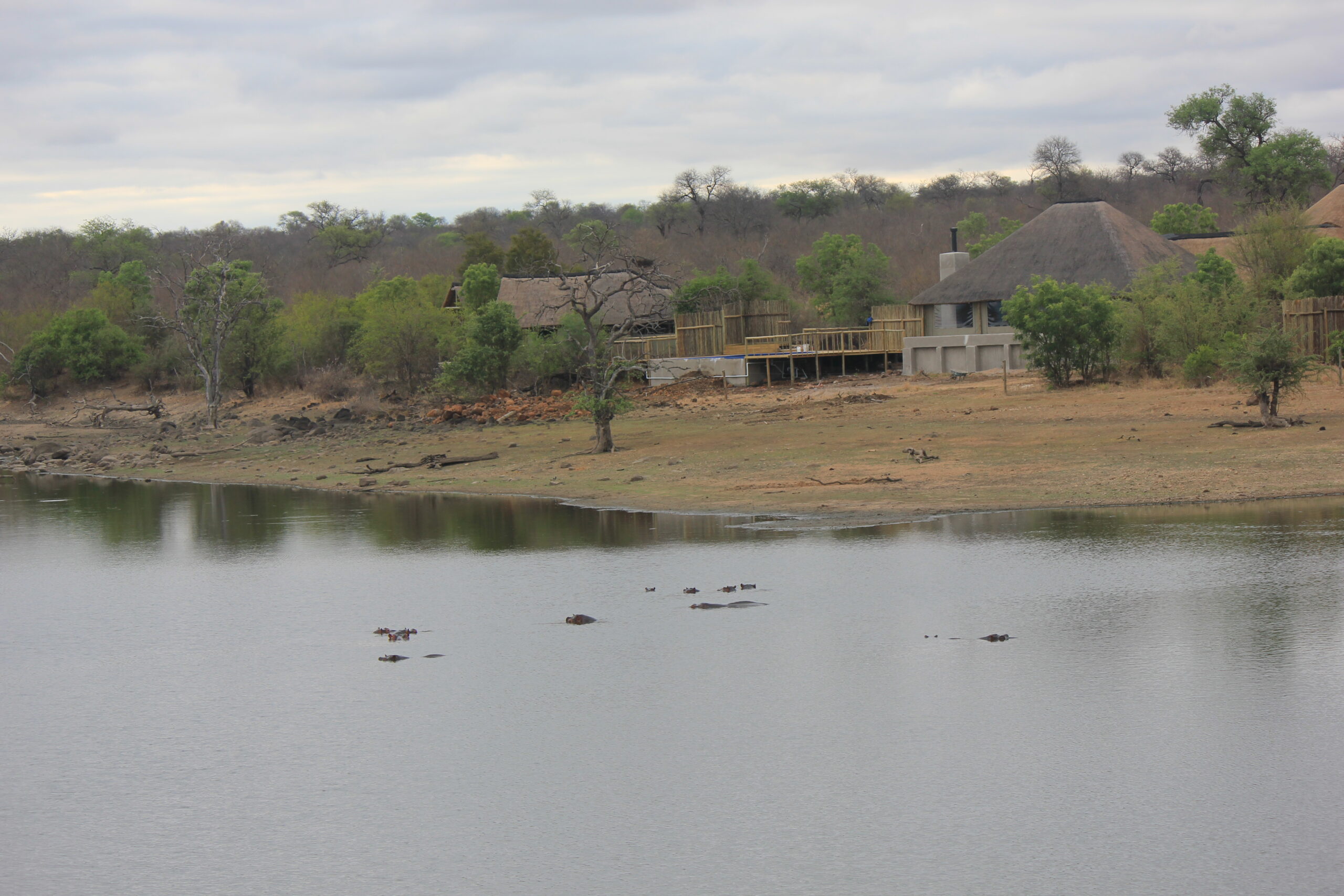
From its impressive body to their crucial role in maintaining ecosystems, the hippopotamus is among nature’s most captivating animals.
Let’s look at what makes hippos so remarkable – and some of my favorite pictures of the entire trip.
Hippos are Masters of the Aquatic Realm
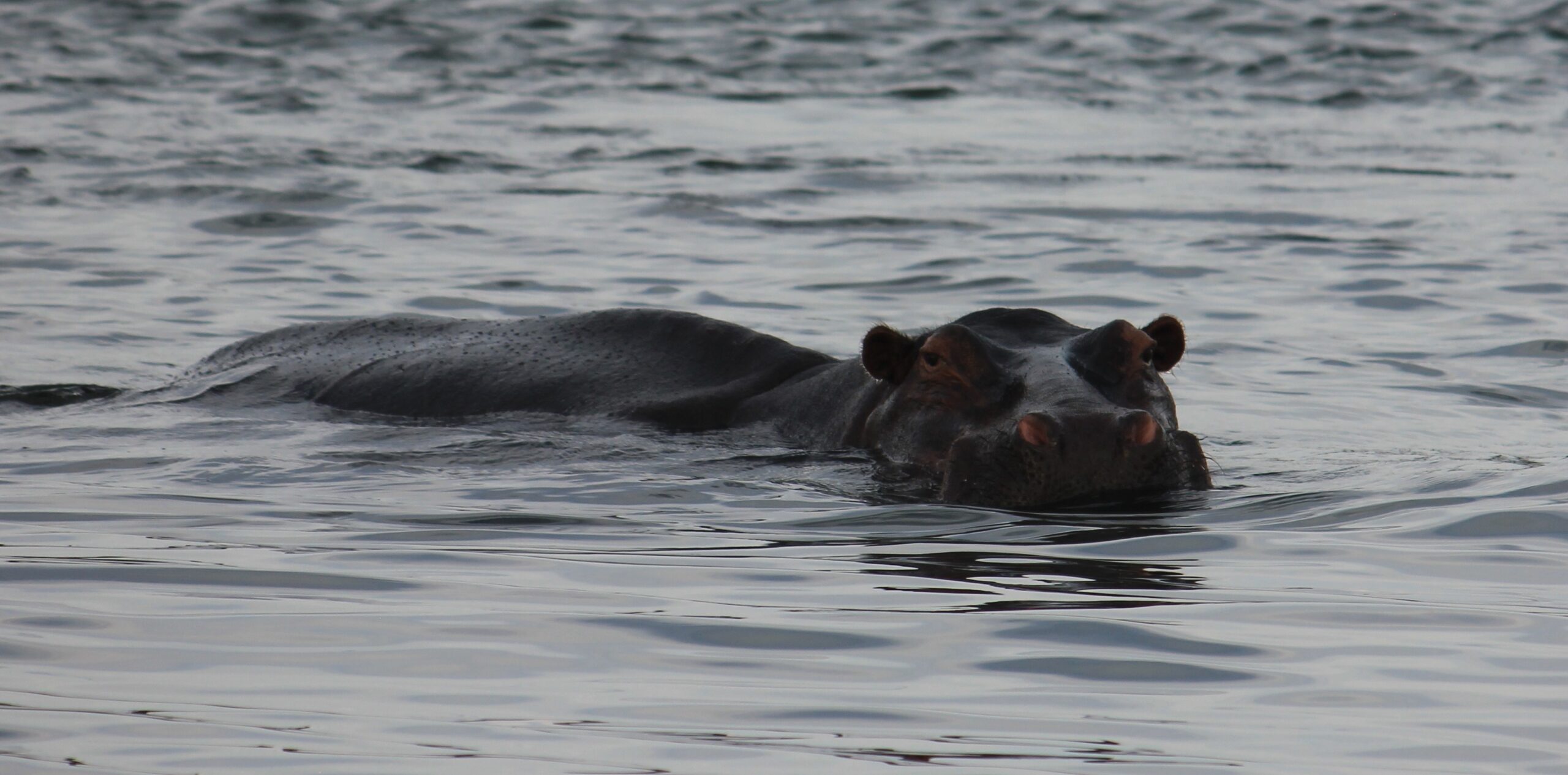
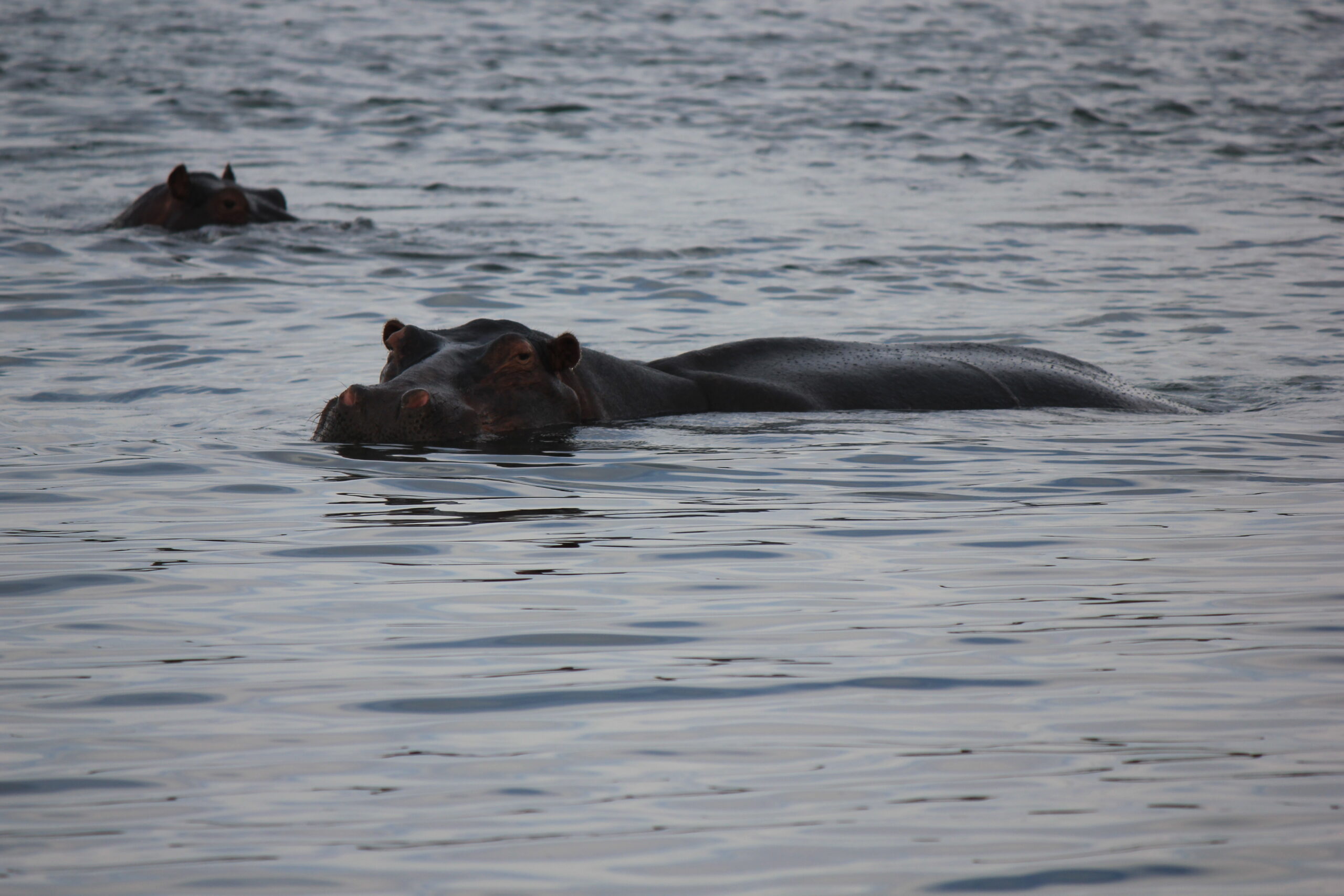
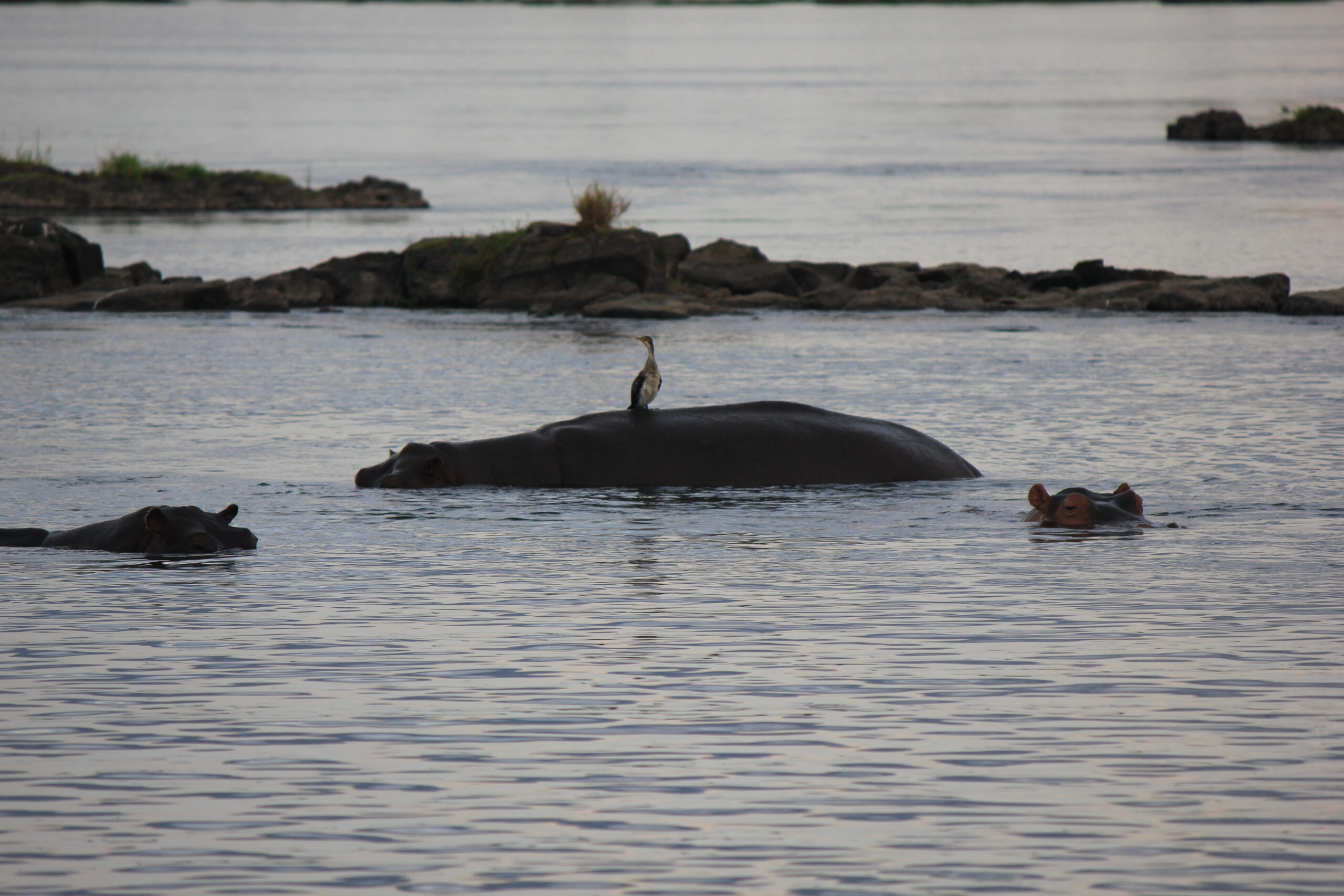
Hippos are often seen basking in rivers and lakes, their bulky bodies submerged in water.
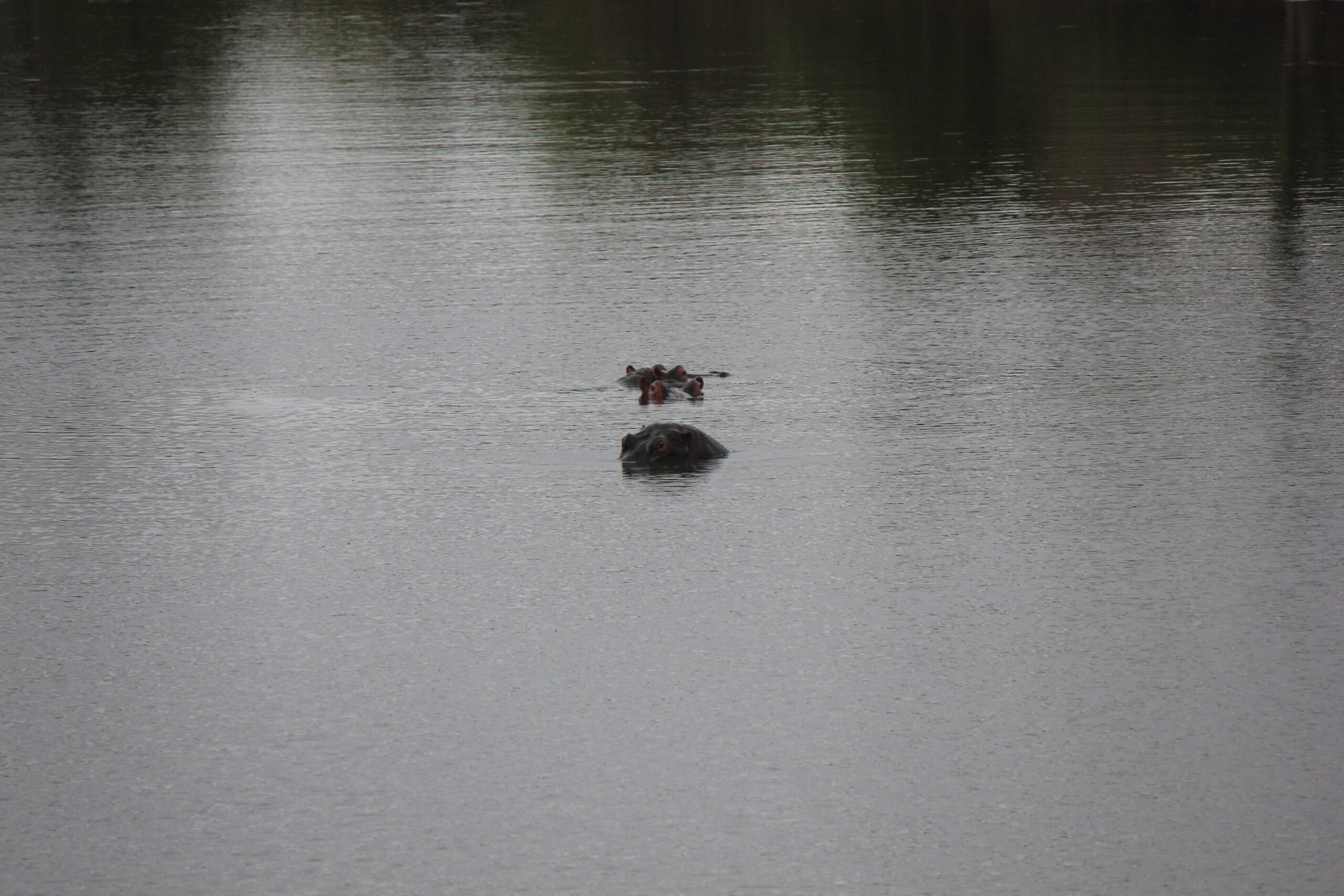
Often, all that you can see is their nostrils, eyes and ears.
This aquatic lifestyle is not just a preference, but a necessity.
Spending most of their time in water helps them stay cool under the intense African sun, as their skin is highly sensitive to heat.
Their unique adaptation includes a reddish oily secretion, often referred to as “blood sweat.”
This natural substance acts as both a sunscreen and an antimicrobial agent, protecting them from the sun and infections.
Although hippos are synonymous with water, they aren’t true swimmers.
Instead, they walk or bounce along the riverbed, their massive weight supported by the buoyancy of water.
Despite this inability to swim, their physical features are perfectly suited for aquatic life.
Their eyes and nostrils sit high on their heads, allowing them to see and breathe while mostly submerged.
Breathing Peculiarities
Hippos can hold their breath for about 3-5 minutes while underwater.
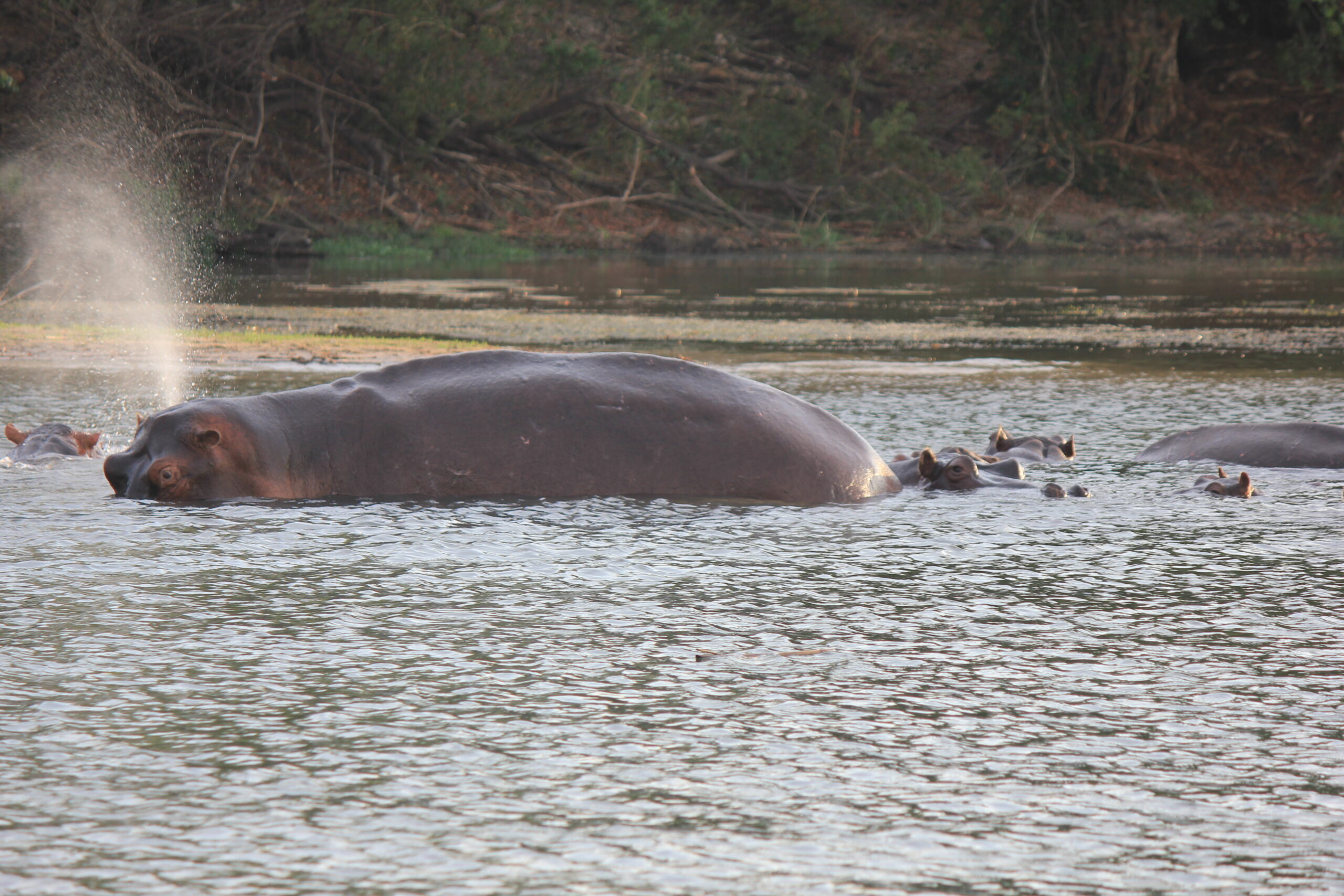
When they surface, they need to clear their nostrils before inhaling, so they exhale explosively to blow out any water.
This creates a dramatic spray, like a whale, as shown in the very lucky picture below.
Now don’t be fooled: the spray comes out of the nostrils, so it’s not coming from the main hippo in the picture, but from his buddy hiding behind him!
Then they take a few breaths before submerging again.
Amazingly, hippos can even sleep underwater by using an automatic reflex that brings them to the surface to breathe without fully waking up.
Hippos are Physical Powerhouses
Hippos are the third-largest land mammals, after elephants and white rhinos.
Males can tip the scales at an astounding 3,300 to 7,000 lbs. (1,500 to 3,200 kg).
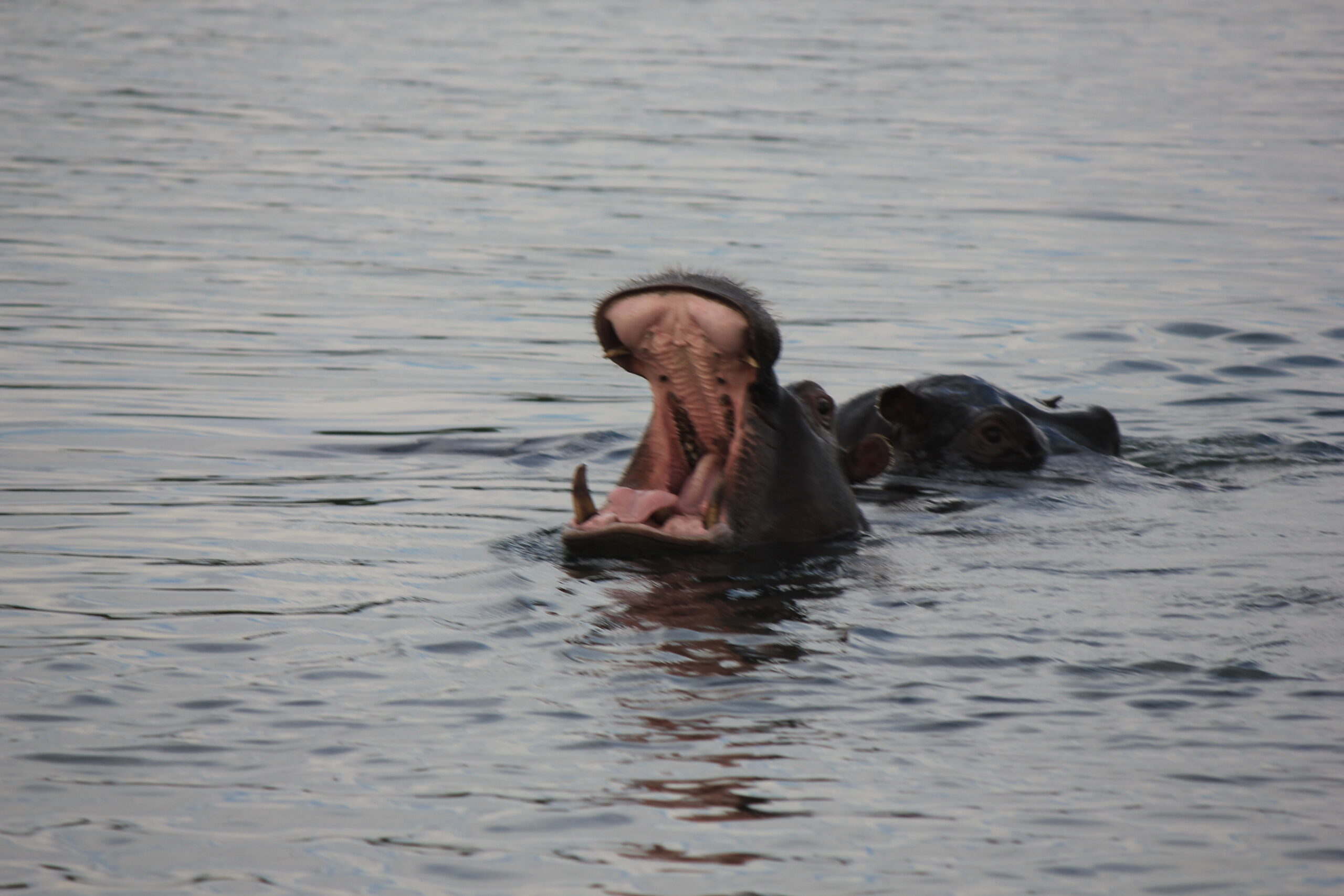
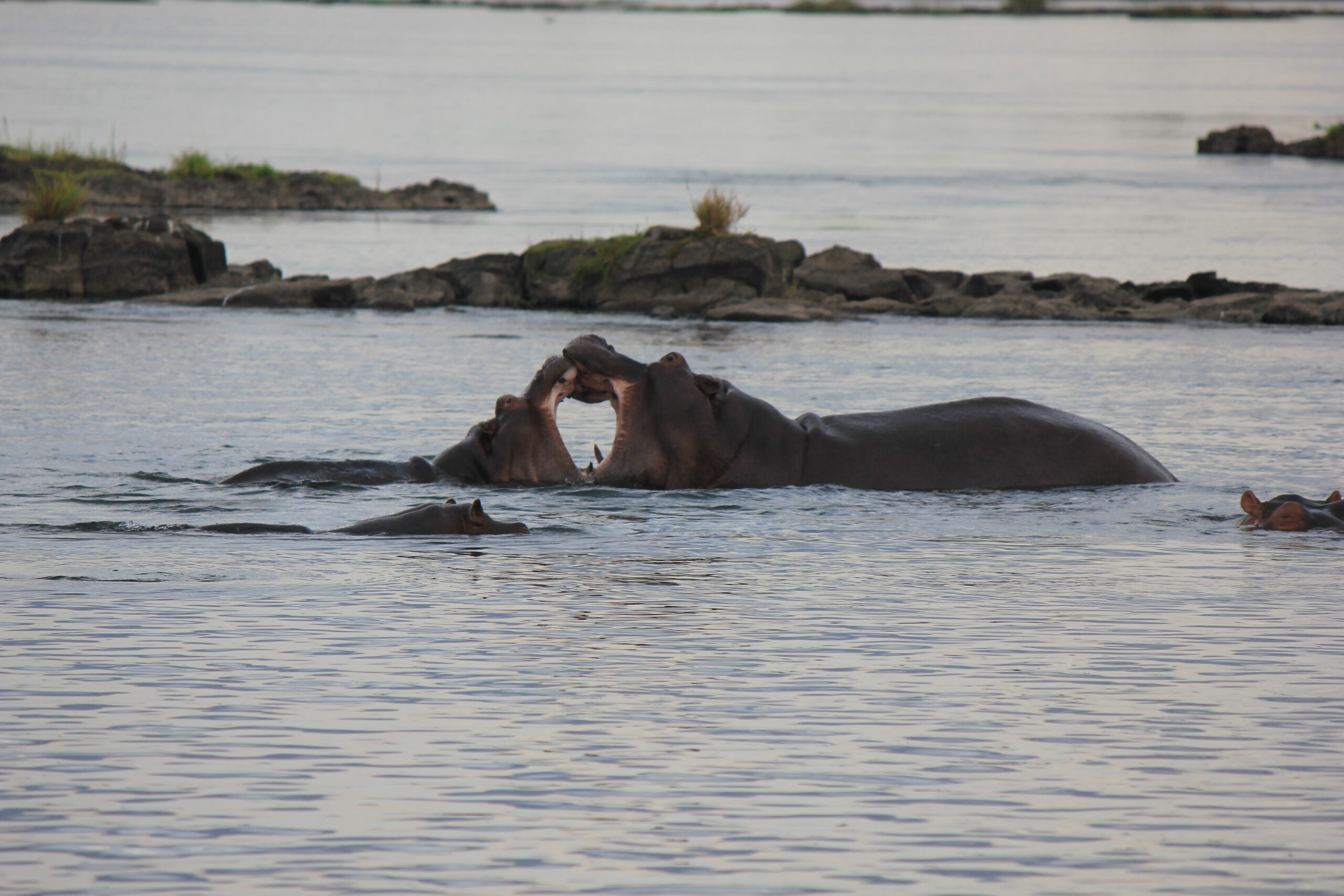
Their immense size is matched by equally formidable jaws (and lovely teeth), which can open up to 150 degrees and deliver a bite force of 1,800 psi – powerful enough to crush bones.
This jaw strength is not just for show. It plays a vital role in their territorial displays and defense mechanisms.
While hippos are primarily herbivorous, grazing on up to of 90 lbs. (40 kilograms) of grass each night, there have been rare observations of them scavenging meat.
This unexpected behavior adds another layer to their enigmatic nature.
Social Dynamics and Communication of Hippos
Hippos are highly social animals, living in groups known as pods, schools, or bloats.
These groups, typically consisting of 10 to 30 individuals, are led by a dominant male who fiercely guards his territory in the water.
Territorial disputes are often marked by unique yet lovely behaviors, such as males spinning their tails while defecating.
The goal is to spread poop as a warning signal to rivals.
Communication among hippos is also fascinating.
They create a range of sounds, from grunts and bellows to underwater vocalizations.
Interestingly, hippos are one of the few species that can communicate both above and below water simultaneously, thanks to their specially adapted vocal cords and resonating chambers.
Hippos are Key Players in the Ecosystem
Hippos are not just passive inhabitants of their aquatic environments; they actively shape them.
By stirring up water and redistributing nutrients through their dung (ie poop), hippos play a critical role in maintaining the health of aquatic ecosystems.
Their presence ensures a balanced environment, benefiting many other species.
South Africa is home to significant hippo populations, particularly in Kruger National Park.
These regions provide the perfect habitat for these animals, with abundant waterways and grazing areas.
Challenges to Hippo Survival
Despite their impressive adaptations and ecological importance, hippos face numerous threats.
The International Union for Conservation of Nature (IUCN) lists them as vulnerable, primarily due to habitat loss, poaching, and human-wildlife conflict.
Hippos are often hunted and killed for their ivory-like teeth, which are sought after as a substitute for elephant ivory.
Additionally, their territorial nature and close proximity to human settlements (and water sources) make them one of the most dangerous animals in Africa, responsible for many human fatalities.
Hippos are a Cultural and Historical Icon
The name “hippopotamus” derives from the Greek words for “river horse,” a nod to their semi-aquatic lifestyle.
Revered and feared, hippos have left an indelible mark on human culture and mythology.
In South Africa, they are not just a symbol of wilderness, but also a crucial draw for ecotourism.
Hippos are much more than just formidable giants of the waterways.
They are architects of ecosystems, social animals with unique communication abilities, and an essential part of Africa’s biodiversity.
And it’s up to us to protect their habitats so that future generations can continue to marvel at them.
We can’t help your hippo, but if you would like to learn how we can help your cat or your dog
with safe surgery and anesthesia, please contact us through www.LRVSS.com
Never miss a blog by subscribing here: www.LRVSS.com/blog
Phil Zeltzman, DVM, DACVS, CVJ, Fear Free Certified